Iphone X
The Apple smartphone / 2017
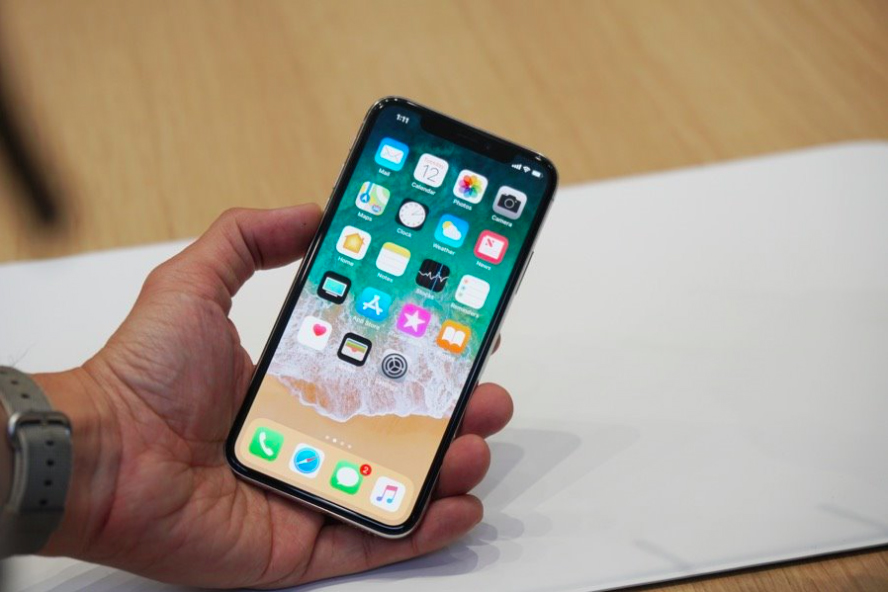
From Apple : iphone X
The first thing I do every morning is roll over, reach over to my nightstand and frantically grapple at my phone to stop the alarm from going off. To do so, I instinctively mash the home button several times, with my head still facedown on my pillow. Oh, sure, I know that I could just hit the Stop button on the touchscreen to turn the offending sound off, but I'm much too groggy at that time to do anything beyond what feels the most instinctual: pressing a physical button.
Now, with the iPhone X, that option appears to be going away. Instead of pressing a button to unlock your phone, you'll be swiping up from the bottom of the screen. This triggers a cascading window of apps to appear, which you have to drag down and flick away to get to the home screen. For Senior Mobile Editor Chris Velazco, in his brief hands-on with the device, he found it incredibly natural to use, despite the fact that he's been using an iPhone for years.
I don't doubt his experience, but color me skeptical. I've also been an iPhone user for years -- ever since the iPhone 3G -- and I'm not convinced that touchscreen gestures will ever replace the convenience and practicality of a home button. For one thing, having to swipe up and then swipe again to get to the home screen doesn't sound like it'd be much faster than a single button press.
And then there's the issue of Touch ID going away. Instead of using fingerprint sensors to unlock your phone, the new iPhone X will use Face ID, a facial recognition system that uses a combination of infrared light, the phone's front-facing TrueDepth camera and specialized neural networks to authenticate your identity. According to Apple, this is a far more secure way of locking your phone. It states that, while there's a one-in-50,000 chance for someone to steal your Touch ID phone, the chances drop to one in a million with Face ID.
I'll concede that it does seem pretty cool that you can just look at your phone to unlock it. However, this also requires you to have the phone in front of you. I know that for me, I often unlock the phone in my pocket before I even bring it up to my face to look at it, just so I have it ready to go.Appendix : Taken from the engadget
G Watch
The LG smart watch / 2014
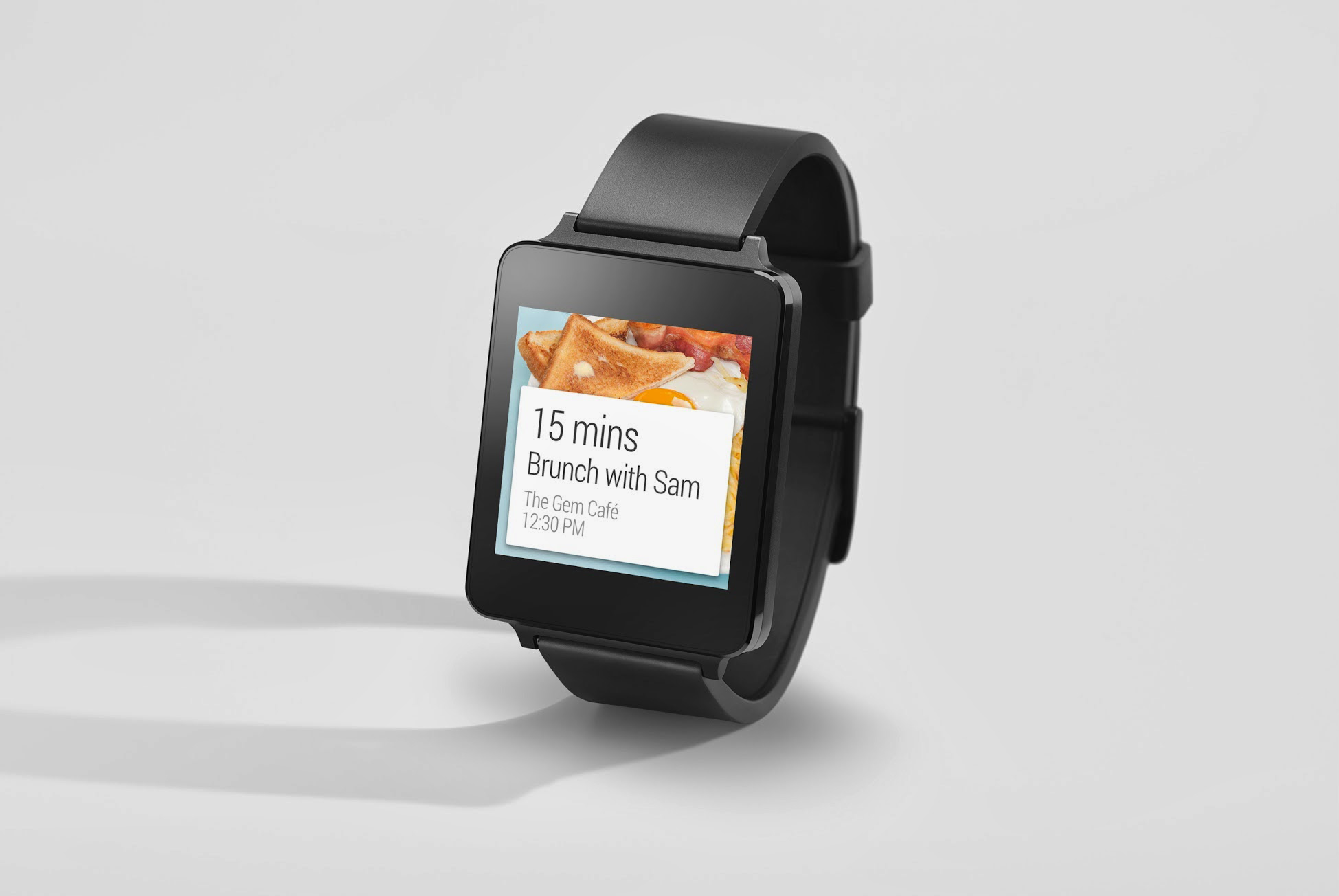
From LG : G watch
When I was a tiny tot, I watched Knight Rider and pretended I was Michael Knight, talking to KITT on my watch. Yet now that there are real-life watches that can do even more things, I don't find myself quite as excited as my 5-year-old self was. Smartwatches have been around for over a decade already (remember Microsoft SPOT?), but the category hasn't evolved at the same pace as smartphones. It's not because there's a shortage of digital wrist-worn timepieces. The problem is that there's no common platform for third-party apps, which means there's little potential for growth.
There also doesn't seem to be any vision. Some watches act as Android phones with SIM cards and tiny touchscreens, while others try to establish their own platform to entice developers. Still others have even tried to put fitness bands and smartwatches into one device, to limited success. Even worse, most of the watches on the market today are what you might call "fashionably challenged" -- they simply aren't attractive enough to entice the masses. Google's solution is to extend its Android platform -- which has very strong market share and developer support -- to the wearables genre with Android Wear.Appendix : Taken from the engadget